From the Classroom to Financial Independence
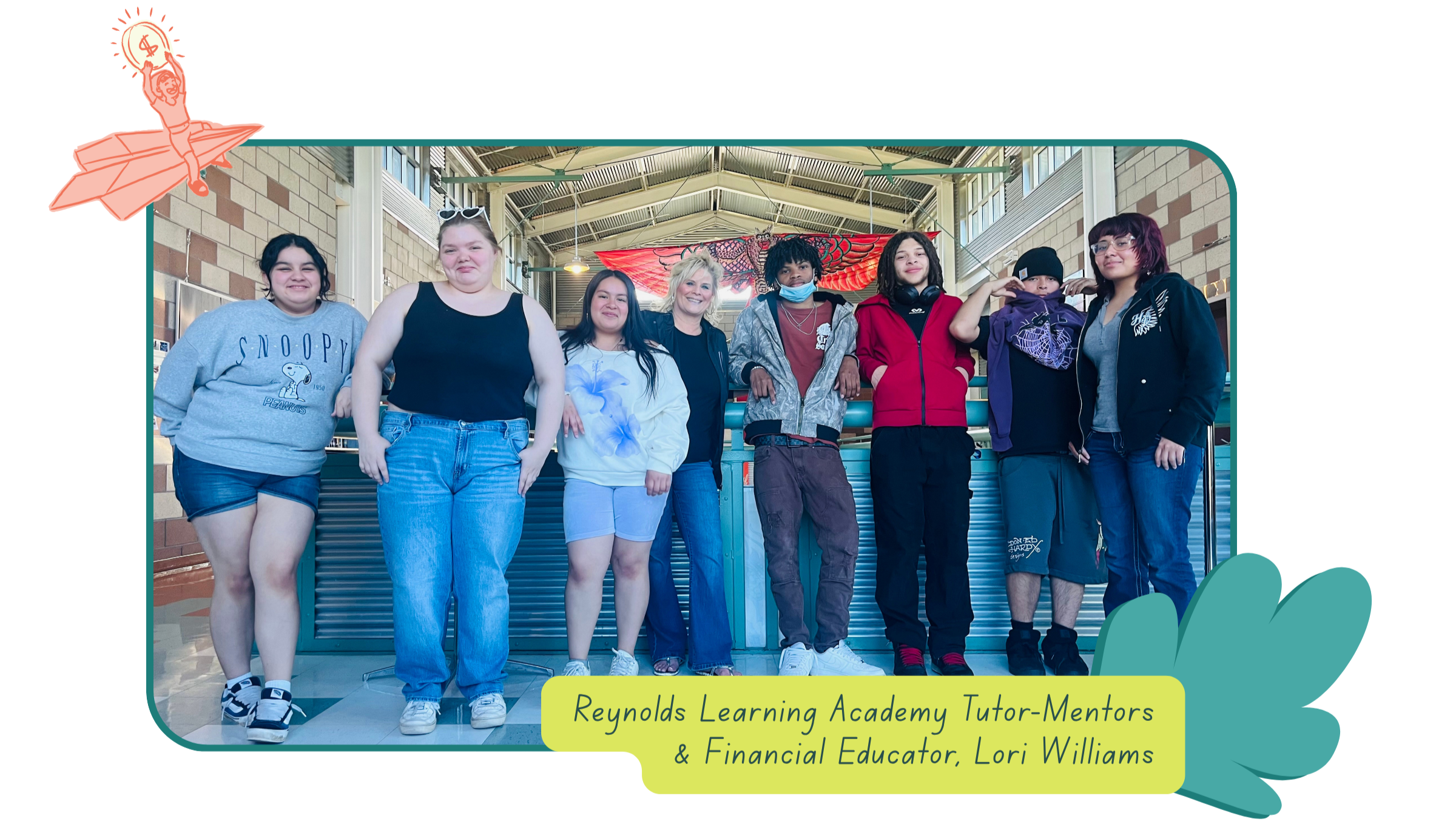
Root 2 Rise Tutor-Mentors lead in K-5 classrooms and earn a stipend for their work. For most, it's their first compensated role and the start of a longer journey toward financial independence.
Formal financial education isn't something that's been readily available to many of the high school students we work with — and it’s not because it isn’t a priority, it’s because access to financial institutions and education hasn't always been within reach. That's part of what R2R is designed to address.
As part of the program, Tutor-Mentors who don't already have a bank account open one to receive their stipend. From there, financial literacy instruction gives students the knowledge to use what they earn, because earning money and knowing what to do with it are two different skills.
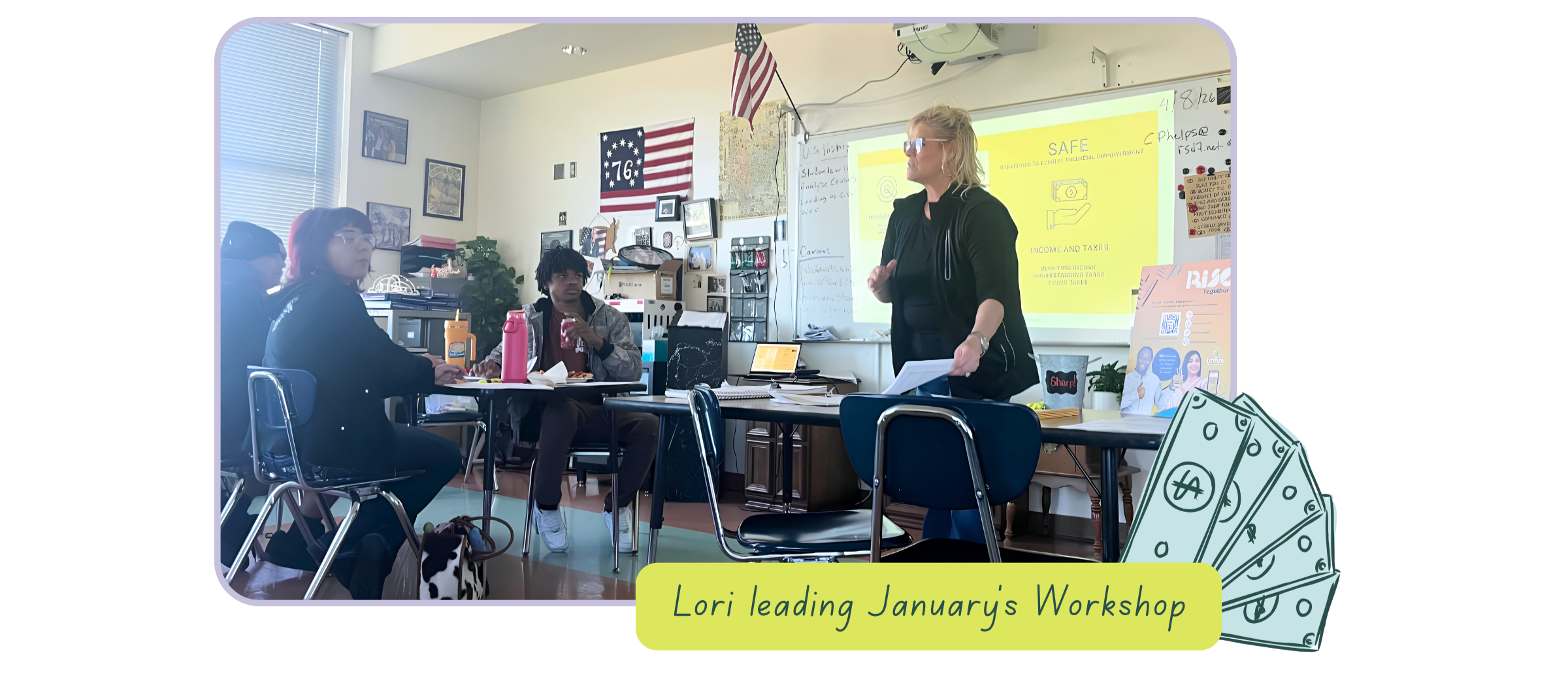
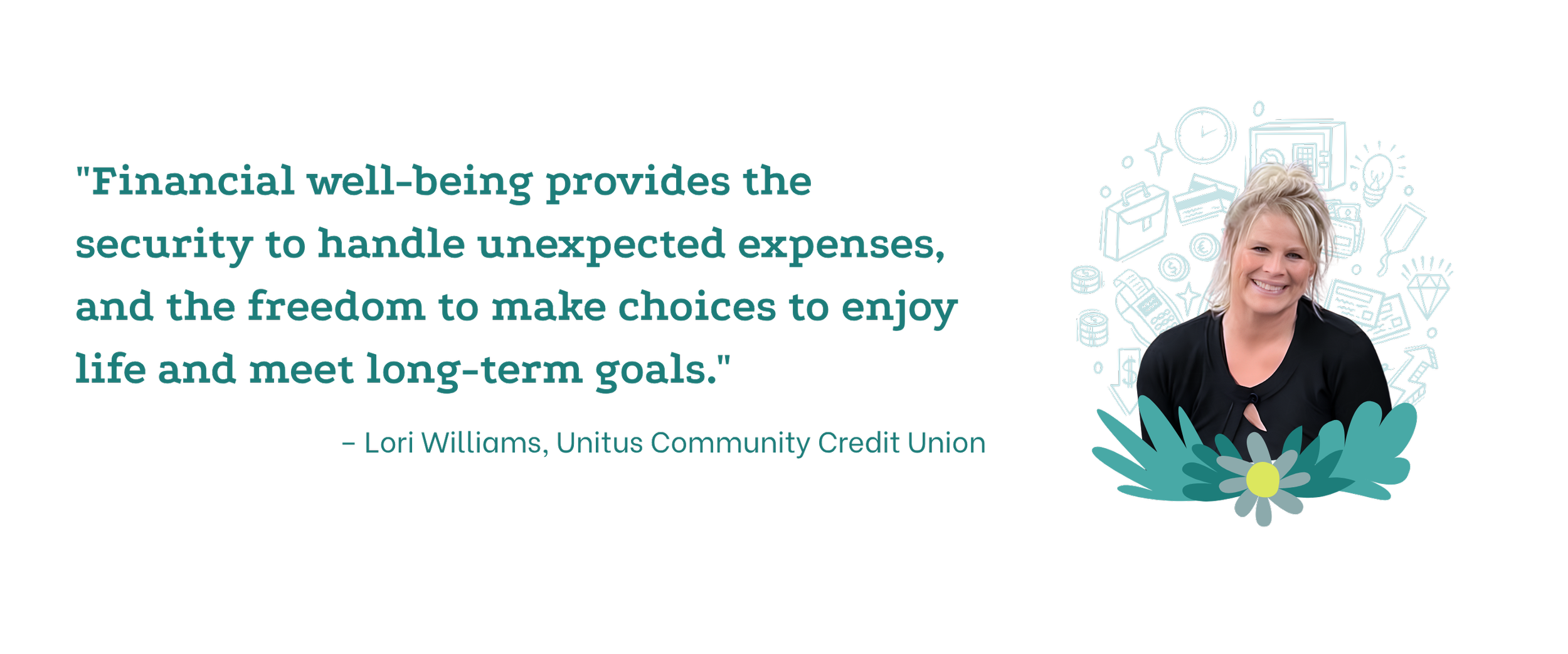
This year at Reynolds Learning Academy in Portland, Lori Williams led those workshops. Williams is a Financial Education Specialist at Unitus Credit Union with 36 years in financial education.
And that's exactly what R2R is creating the conditions for: long-term wellbeing and economic mobility for every student who comes through the program.
Williams came to in November and January, and students showed up ready to learn both times. The fall session covered mobile banking, budgeting, and interest rates. "The stipend that R2R students earn is often their first step toward building workforce readiness,” Williams said. "It's important to talk about our behaviors and relationship with money. The students' financial education benefits the entire community.”
January’s session went further, covering taxes and credit. For older generations raised in a cash-only culture — where purchases were delayed until the money was available — today’s financial landscape can feel unfamiliar. Williams understands that contrast. Her workshops meet students where they are: in a credit-driven world shaped by social media, advertising, peer pressure, and constant pressure to spend.
When discussing emotional spending, she didn’t tell students to stop spending altogether. Spending is tied to real needs, including socializing and building community. Instead, the goal is to recognize those pressures and set limits before those limits are set for you. Start a 401(k) at 18. Build credit before you need a co-signer. Understand compound interest.
Beyond the workshops, Williams made special trips throughout the year to help students open savings accounts and to discuss other banking concerns. Through the partnership, Unitus also generously waived fees for R2R students and accommodated those who don’t have an official government ID.